Japantastics, Inc.
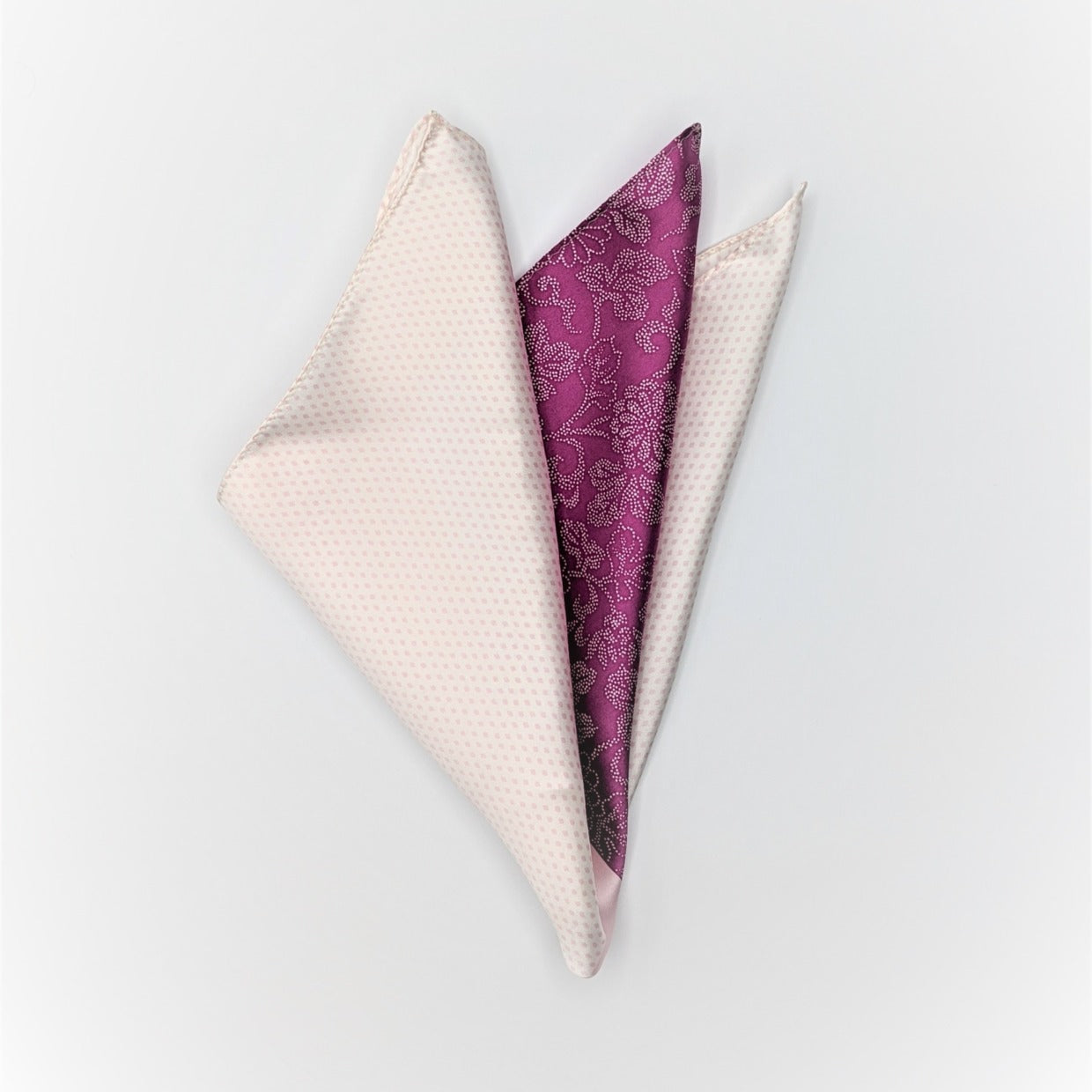
Tomita Sen Kogei: SARAKICHI – Hand-Dyed Pocket Square (Chrysanthemum & Arabesque / Ume Purple)
Tomita Sen Kogei: SARAKICHI – Hand-Dyed Pocket Square (Chrysanthemum & Arabesque / Ume Purple)
2 in stock
Couldn't load pickup availability
SARAKICHI – Hand-Dyed Pocket Square (Chrysanthemum & Arabesque / Ume Purple)
Delivery: 3-4 weeks
Refund Policy: https://japantastics.jp/policies/refund-policy
The chrysanthemum, a motif long associated with the Japanese Imperial Family, symbolizes nobility and elegance. It is paired here with the traditional karakusa (arabesque) pattern, a design cherished in Japan for its graceful, ever-extending vines that represent prosperity and enduring vitality.
Ume Purple is believed to be a relatively modern traditional color name. Historical dye sample books from the late Edo to early Meiji period feature the color name Ume Nezumi ("Plum Gray"), suggesting that Ume Purple emerged around the same time. Its refined, muted purple evokes the understated elegance long admired in Japanese aesthetics.
Size: 35 × 35 cm (13.8 × 13.8 in)
Material: 100% Silk
About SARAKICHI
SARAKICHI takes its name from Saraya Kichibee (Saraya), the historic trade name of the Tomita family. The name combines "Sara", from Saraya (the family workshop), and "Kichi", from Tomita Kichibee, the family's founder.
For generations, the Tomita family has preserved the art of traditional Tokyo dyeing, specializing in Edo Sarasa and the refined Edo Komon patterns that have long embodied the elegance of the capital.
The workshop of Tomita Sen Kogei, the producer of SARAKICHI, has stood for many years near Omokage Bridge, which spans the Kanda River in Tokyo. The bridge appears in Utagawa Hiroshige's celebrated series One Hundred Famous Views of Edo, where it is depicted as a traditional arched drum bridge (taikobashi).
This historic bridge serves as the inspiration for the SARAKICHI logo. The upper semicircle represents Omokage Bridge itself, while the lower half symbolizes its reflection on the surface of the river. When written in Japanese hiragana (さらきち), the name forms a visually balanced composition with mirrored elements, creating a design reminiscent of a traditional Japanese family crest.
Rooted in the rich history of kimono culture and the centuries-old techniques that support it, SARAKICHI reinterprets traditional craftsmanship through a contemporary design perspective. While the brand originally focused on scarves and stoles for women, its collection has expanded to include sophisticated accessories for men, such as Komon Ties and Komon Pocket Squares, bringing the timeless beauty of Edosv dyeing into modern wardrobes.
In recent years, SARAKICHI has showcased its collections at leading international design fairs, including Ambiente in Frankfurt and Maison&Objet in Paris, where its distinctive blend of Japanese tradition and contemporary design has earned widespread recognition from audiences both in Japan and abroad.
By creating a new perspective on traditional Japanese craftsmanship while preserving the exceptional quality that can only be achieved through hand dyeing, SARAKICHI is committed to sharing the enduring beauty of these time-honored techniques with people around the world.
About Tomita Sen Kogei:
Tomita Sen Kogei is a distinguished dyeing atelier with a history spanning more than 140 years. Drawn to the pure waters of the Kanda River, the workshop established itself in Shinjuku and has since cultivated exceptional expertise in traditional Edo komon and sarasa textile dyeing.
Share